
NEMT, paratransit, accessibility, and passenger service
Why Passenger Assistance, Safety, and Service Training Matters for Transportation Providers
Passenger assistance training helps NEMT drivers and transportation providers support riders safely, respectfully, and with dignity.
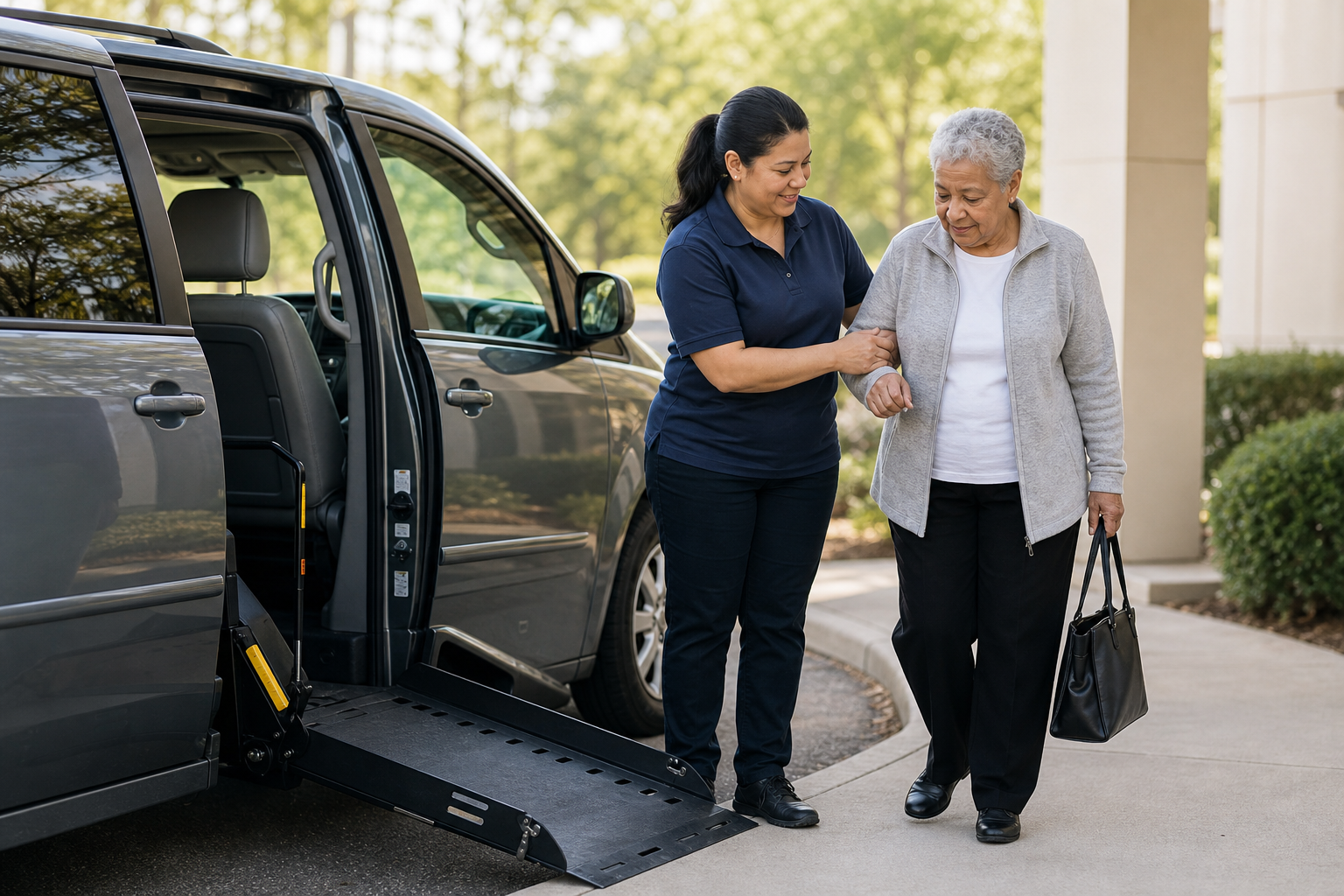
Transportation service is also passenger support
Passengers may be older adults, people with disabilities, wheelchair users, people recovering from medical procedures, riders with cognitive or sensory needs, or individuals who depend on transportation to reach critical care. In that environment, passenger assistance training is not a nice extra. It is part of professional service.
Assistance requires both technical knowledge and respect
The U.S. Department of Transportation's ADA transportation regulations include training expectations for personnel who serve passengers with disabilities. DOT guidance emphasizes both proper equipment operation and respectful treatment of individuals with disabilities.
That combination matters. A driver may need to understand lift or ramp procedures, mobility devices, wheelchair securement concepts, boarding assistance, communication, service animals, privacy, and passenger choice. But technical skill alone is not enough. A rider should also be treated with courtesy, patience, and respect.
Small mistakes can create large safety risks
Passenger assistance involves judgment. A driver may need to decide when to offer help, when to ask before assisting, how to communicate clearly, and when a situation is unsafe.
- Boarding or exiting near traffic
- Helping a rider with limited balance
- Supporting a passenger with a walker or wheelchair
- Understanding securement concepts
- Recognizing when equipment should not be used
- Responding to illness, distress, falls, or unsafe drop-off conditions
Without training, drivers may rely on guesswork. With training, they have a clearer framework for safe, respectful decisions.
ADA awareness is also customer-service awareness
ADA-related transportation service is not only about avoiding discrimination. It is about making transportation usable. Drivers and public-contact employees need to understand that passengers may communicate, move, process information, or request assistance in different ways.
Passenger assistance training supports better service by helping drivers avoid assumptions, ask before helping, protect privacy, and keep the rider's dignity at the center of the interaction.
Employers need consistent service standards
For transportation companies, training creates consistency across drivers. It helps managers explain what good service looks like and gives drivers common expectations around passenger dignity, safety, communication, documentation, and incident reporting.
This is especially important for NEMT companies because brokers, facilities, families, and passengers are trusting the provider with more than a ride. They are trusting the provider with access, safety, and professionalism.
A practical next step
Passenger assistance training should help drivers understand accessibility, safe assistance, disability awareness, securement concepts, emergency priorities, and professional service expectations.
Cascade Horizon Academy provides online Passenger Assistance, Safety, and Service training for transportation providers and employer teams. The course supports NEMT and passenger transportation workflows with online lessons, final assessment, and QR-verifiable certificate documentation.