
Professional driver safety, fleet readiness, and roadway risk
Why Defensive Driving Training Matters for Professional Drivers
Defensive driving training helps professional drivers recognize hazards early, manage space, control speed, and respond to changing road conditions.
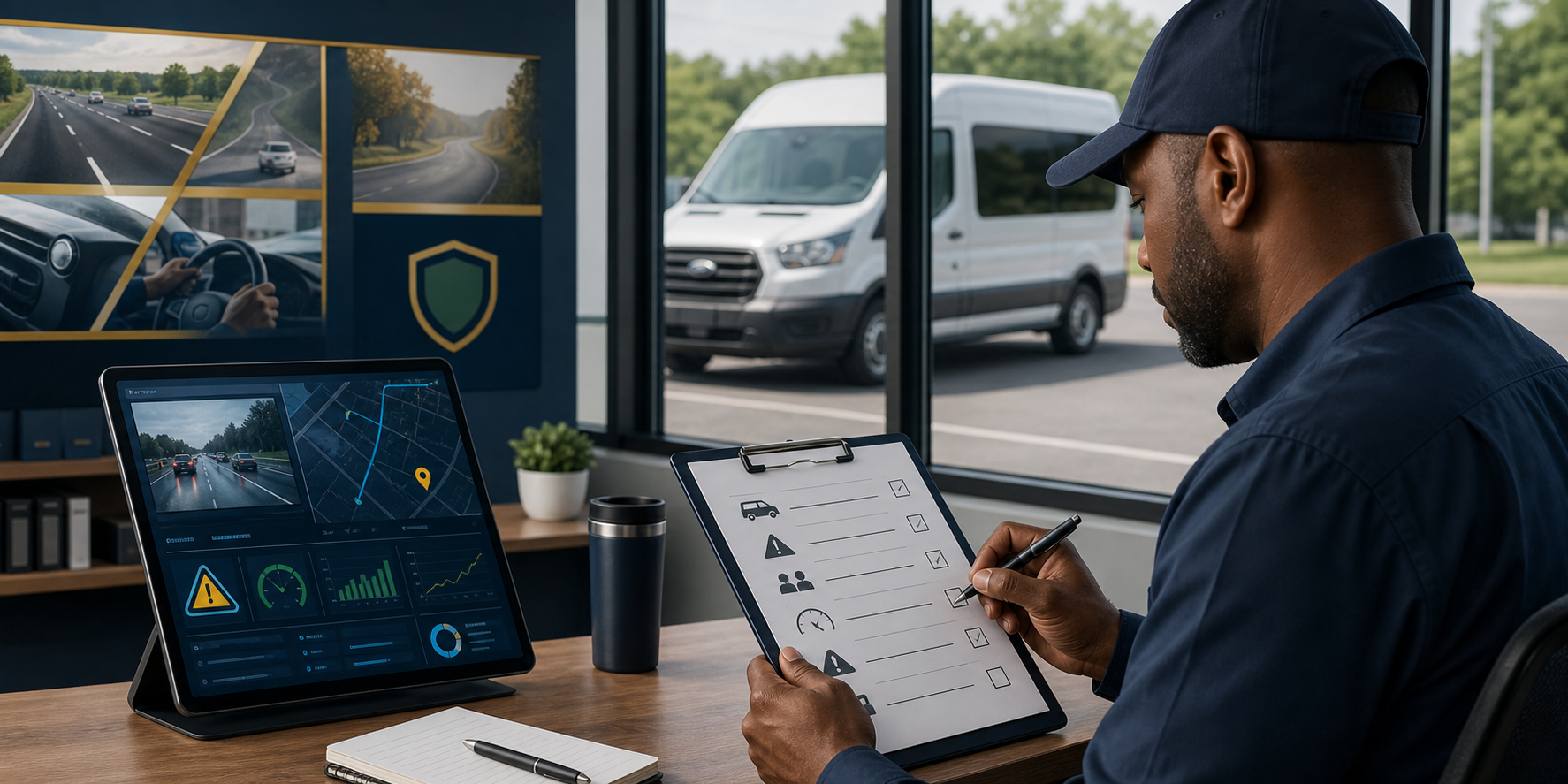
Professional driving carries professional responsibility
NEMT drivers, delivery drivers, passenger transportation providers, field staff, and fleet employees make repeated decisions every day that affect passengers, coworkers, pedestrians, other drivers, and the business they represent.
Defensive driving training matters because risk on the road changes constantly. Weather changes. Traffic changes. Other drivers make mistakes. Passengers may need extra care. A professional driver needs habits that create time and space to respond safely.
Roadway incidents are a major workplace safety issue
OSHA's motor vehicle safety guidance for employers emphasizes that driver training programs should be specific to the vehicles employees operate. OSHA also notes that adherence to a driver training schedule is a leading indicator in preventing work-related vehicle crashes, and that refresher training can help prevent complacency.
Many driving risks do not come from one dramatic decision. They come from routine pressure: running late, following too closely, looking at a phone, driving while tired, taking familiar roads for granted, or assuming another driver will behave predictably.
Defensive driving is about anticipation
Defensive driving teaches drivers to look ahead, identify hazards early, manage space, control speed, and expect conditions to change. It is not about being timid. It is about being prepared.
- What could change in the next few seconds?
- Do I have enough following distance?
- Is my speed appropriate for weather and visibility?
- Where is my escape path?
- Am I giving myself enough time to respond?
- Is distraction affecting my decisions?
These habits are especially important for passenger transportation because the driver is responsible not only for their own safety but also for the safety and comfort of riders.
Employers benefit from safer driving systems
For employers, defensive driving training is part of a larger safety system. A strong program may include driver screening, vehicle maintenance, incident review, distracted-driving policies, refresher training, and clear expectations for professional conduct.
Training gives teams a shared language. Instead of only reacting after a crash or complaint, managers can set expectations around following distance, speed, hazard recognition, fatigue, weather, intersections, backing, and passenger-aware driving.
Defensive driving supports customer trust
For NEMT and passenger transportation providers, driving behavior is also customer service. A smooth, alert, safety-focused driver helps passengers feel more secure. This matters when riders are older adults, people with disabilities, patients traveling to medical appointments, or individuals who may already feel anxious about transportation.
A driver who manages space, avoids harsh maneuvers, communicates calmly, and adapts to conditions is not only reducing risk. They are representing the professionalism of the company.
A practical next step
Defensive driving training should help professional drivers understand hazard recognition, space management, speed control, distraction risk, weather response, intersections, backing, and passenger-aware driving.
Cascade Horizon Academy provides online Defensive Driving Certification for NEMT drivers, passenger transportation providers, workplace drivers, and employer teams. Learners complete the course online and receive QR-verifiable certificate documentation.